
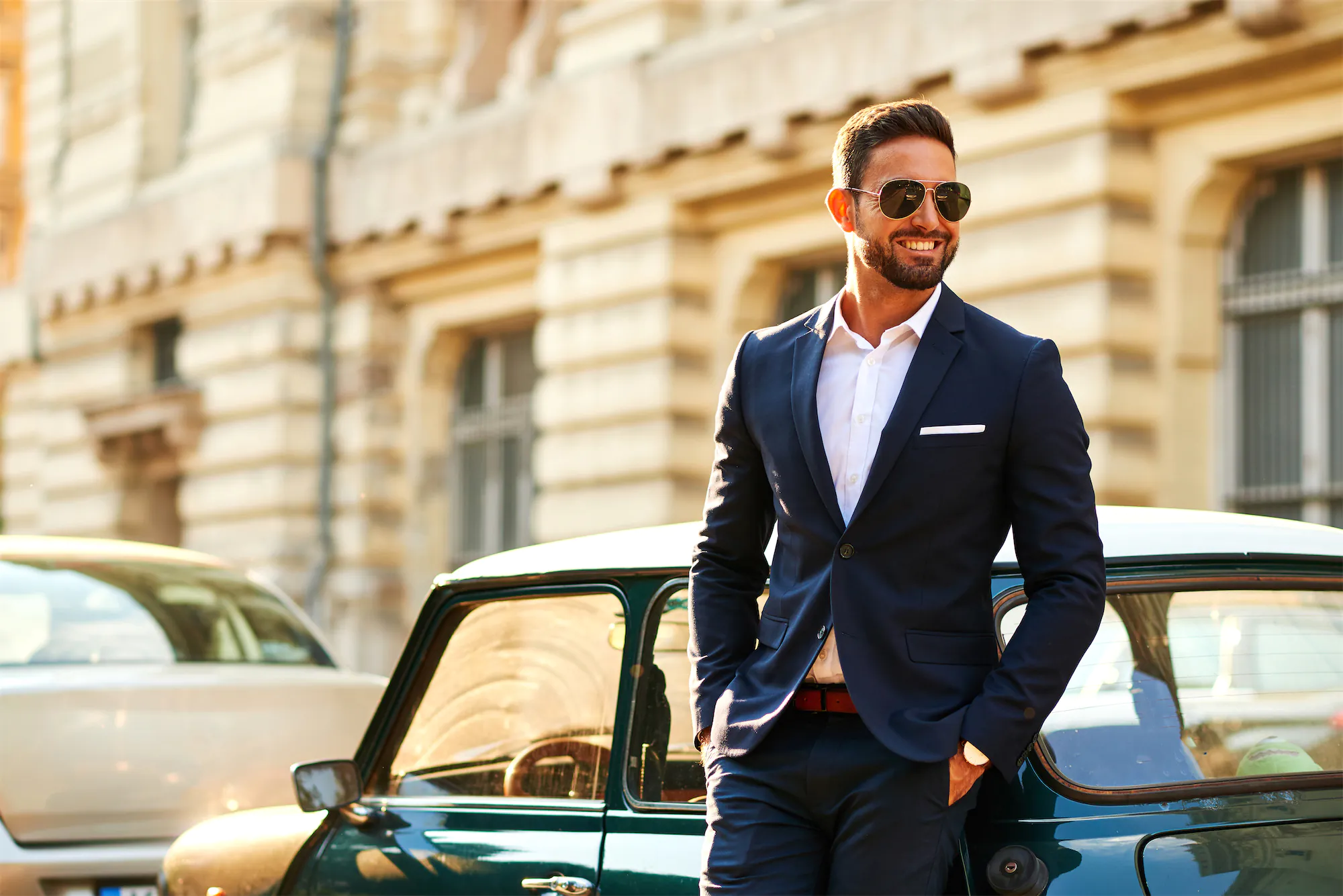

Wedding clothing needs to look polished in photographs, remain comfortable through a long celebration and reflect the formality of the occasion. The process becomes easier when the outfit is planned around the venue, climate and personal style rather than copied directly from a catalogue. Arranging a wedding suit in Bangkok also gives the wearer an opportunity to consider fabric weight, construction and fit in conditions that may be warmer and more humid than those of a typical European ceremony.
Let the Venue Guide the Level of Formality
A grand ballroom, beachfront ceremony and intimate garden celebration each call for a slightly different approach. Formal evening venues generally suit darker colours, sharper structure and traditional accessories. Outdoor or daytime weddings allow greater freedom with lighter fabrics, softer tailoring and warmer shades.
The invitation and overall wedding style provide useful clues. Black tie may require a dinner suit, while a conventional formal wedding often works well with navy, charcoal or deep grey. Sand, stone and pale blue can suit relaxed daytime settings, although lighter colours show marks more readily and may appear different under strong lighting.
The groom should also coordinate with the wider wedding party without looking identical to every other guest. A distinctive waistcoat, tie, pocket square or subtle fabric texture can create separation while preserving a consistent colour palette.
Fashion matters less than context. A dramatic style may look impressive during a fitting but feel misplaced at a small, informal ceremony. The strongest choice looks appropriate from the first photographs through to the evening reception.
Select Fabric for Comfort and Appearance
Fabric weight affects how the suit drapes, breathes and holds its shape. In a warm climate, lightweight wool is often a practical choice because it combines breathability with a clean, formal appearance.

Linen can feel cool and relaxed, but it creases quickly and may look less structured by the time the ceremony begins. Blends can reduce creasing while preserving some of linen’s texture. Cotton may suit informal weddings, although it generally lacks the refined drape of quality wool.
The internal construction also influences comfort. Heavy padding and thick linings can become uncomfortable during an outdoor ceremony or extended photography session. A lighter construction may feel more natural while still providing definition through the shoulders and chest.
Colour should be viewed in natural and artificial light. A cloth that appears dark blue indoors may look much brighter in direct sunlight. Photographs of the sample can help reveal how it responds to flash, shade and evening lighting.
Build the Fit Around a Full Day of Movement
The suit must remain comfortable while standing, sitting, walking, greeting guests and dancing. A fitting should therefore involve movement rather than a quick inspection in front of a mirror.
The jacket should lie smoothly across the shoulders and close without pulling at the button. There must be enough room through the back and upper arms to allow natural movement. Sleeve length should reveal a small amount of shirt cuff without exposing too much wrist.
Trousers need to remain comfortable through the waist, seat and thighs when sitting. The rise should suit the wearer’s proportions, and the hem should be checked with the exact shoes intended for the wedding.
Avoid requesting an excessively tight silhouette simply because it looks sharp while standing still. Heat, meals and hours of movement can turn a restrictive fit into a distraction. Tailoring should create a clean outline without preventing the wearer from relaxing.
Coordinate the Shirt, Shoes and Accessories
The suit forms the foundation of the outfit, but the supporting pieces determine whether the final look feels complete. A white shirt remains a dependable choice for formal weddings, while ivory, pale blue or subtle textures may suit softer colour schemes.
Collar shape should complement the jacket and planned neckwear. A tie generally creates a classic appearance, while a bow tie suits more formal evening dress. Open collars may work for relaxed beach ceremonies but should still appear intentional rather than unfinished.
Shoes should be broken in before the wedding and tested on surfaces similar to those at the venue. Smooth leather soles may be difficult on grass or wet stone, while heavy footwear can look out of balance with a lightweight summer suit.
Accessories should support the outfit rather than compete for attention. Cufflinks, watches, pocket squares and boutonnieres can add personality, but combining too many statement pieces may make the look feel crowded.
Leave Enough Time for Adjustments
A tailored suit should not be collected for the first time immediately before the wedding. Initial measurements, construction, fittings and final adjustments all require time, particularly when travel is involved.
Attend fittings with the shirt, shoes and undergarments planned for the day. Even small differences in heel height, shirt thickness or waistband position can alter the way the suit falls.
The final fitting should confirm comfort as well as appearance. Sit down, raise the arms and walk around the room. Check the pockets, fasten the jacket and make sure the trousers remain secure without relying on a tightly pulled belt.
The right formalwear should allow the wearer to focus on the celebration rather than repeatedly adjusting sleeves, waistbands or collars. When the fabric, fit and styling reflect the setting and the person wearing it, the suit becomes a natural part of the day rather than a costume reserved for photographs.
Comments are closed.