

Introduction: More Than Meets the Eye
Makeup is far more than surface-level enhancement. It is art, ritual, rebellion, and expression rolled into one powerful medium. With each brushstroke and blend, makeup allows individuals to reveal or conceal, to magnify confidence, or to channel creativity. From the everyday swipe of mascara to the intricate looks of editorial runway shows, makeup is a form of communication that transcends age, gender, and culture. This article unpacks the complex, beautiful world of makeup—its history, psychological impact, evolving trends, and the power it grants those who wear it.
The History of Makeup: A Journey Through Time
The use of cosmetics is as old as civilization itself. Throughout history, makeup has been both decoration and declaration—used to demonstrate power, protect against elements, and signal cultural identity.
-
Ancient Egypt: Kohl-lined eyes and red ochre lips were not just aesthetic choices but carried religious and medicinal significance. Makeup in ancient Egypt was as much about status as spirituality.
-
China and Japan: During the Tang dynasty and Geisha culture, makeup signified class, discipline, and artistic sensibility. Pale skin and delicate rouge reflected refinement.
-
Europe: The Renaissance and Victorian periods saw contrasting ideals, from elaborate powdered faces to natural, subdued appearances influenced by morality and social norms.
-
20th Century: With the rise of cinema, makeup entered mass culture. The flapper’s bold lips of the 1920s, Hollywood glam of the 1950s, and punk rebellion of the 1980s each marked distinct chapters in cultural self-expression.
Across eras, makeup adapted to technology, politics, and society, always remaining a subtle yet powerful form of communication.
The Modern Makeup Renaissance
Today’s makeup industry is more dynamic and inclusive than ever before. What was once restricted by gender, skin tone, or social norms has blossomed into a diverse ecosystem where creativity knows no bounds.
Modern makeup culture emphasizes:
-
Inclusivity: Brands like Fenty Beauty revolutionized the industry by offering expansive shade ranges and redefining what it means to be “nude” or “universal.”
-
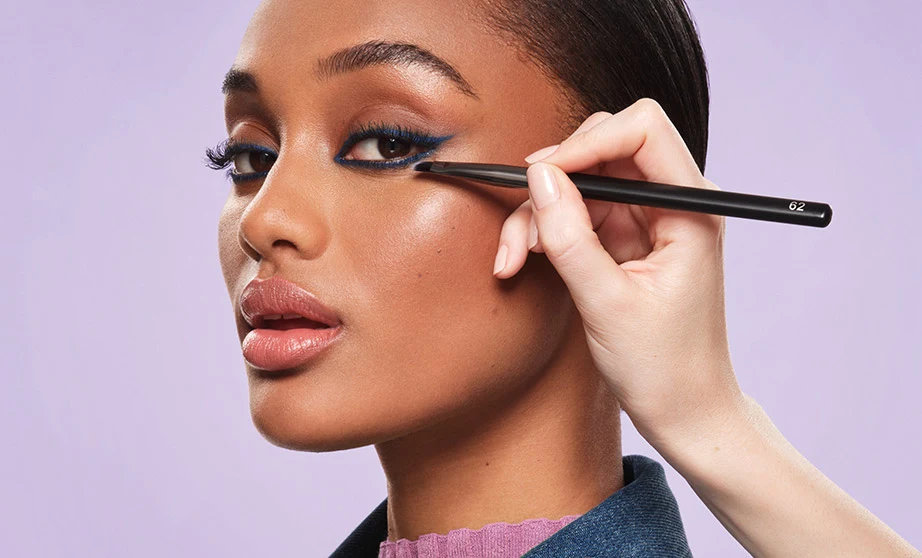
Self-Expression: Consumers no longer follow rigid rules. Blue eyeliner, glitter freckles, and glossy lids are worn unapologetically—regardless of trend.
-
Functionality: Lightweight, hybrid formulas offer skincare benefits alongside coverage, supporting beauty and wellness in tandem.
-
Accessibility: With online tutorials, AR try-ons, and influencer reviews, learning and purchasing makeup has never been more democratic.
This evolution signals a shift in values—makeup is no longer just about beauty, but about agency.
Makeup as a Tool for Empowerment
There is an undeniable psychology behind makeup. Studies suggest that wearing makeup can boost self-esteem, improve mood, and enhance perceived competence in professional settings. But beyond perception, makeup offers a kind of emotional armor—allowing the wearer to control their image and project their desired energy.
Emotional and psychological benefits of makeup include:
-
Confidence: A polished appearance often translates into greater poise and assurance.
-
Creativity: Blending eyeshadow, layering blush, or experimenting with eyeliner becomes a form of artistry.
-
Mindfulness: The daily routine of applying makeup can serve as a grounding ritual—calming and intentional.
Whether minimal or maximal, makeup invites people to own their reflection and redefine their narrative.
Essential Makeup Categories and Their Purpose
A well-curated makeup collection often covers a spectrum of textures and tones, each item designed for a particular effect or enhancement.
Key categories include:
-
Foundation and Concealer: Create an even base, hide imperfections, and enhance natural skin tone.
-
Blush and Bronzer: Add warmth, structure, and vitality to the face.
-
Highlighter: Accentuates high points of the face with light-reflective pigments.
-
Eyeshadow, Eyeliner, Mascara: Define and dramatize the eyes—the focal point of expression.
-
Lipstick and Gloss: Bring color and character, from bold reds to muted nudes.
-
Brows: Shape and sculpt the frame of the face, subtly altering expression.
Each product, though small, plays a significant role in building a cohesive look that reflects the wearer’s style and mood.
Makeup Trends: Cycles of Innovation and Nostalgia
The beauty industry is cyclical—old trends are often reborn with modern twists, while new ones are driven by innovation and social media influence.
Notable current trends include:
-
Skinimalism: Embracing lighter coverage and glowing, natural skin.
-
Graphic Liner: Abstract shapes and vibrant colors around the eyes as a bold fashion statement.
-
Blush Draping: Reviving 70s techniques for sculpting the face with color.
-
Lip Oils and Tints: Offering hydration with a sheer wash of pigment.
-
Multichrome Shadows and Duochrome Highlights: Creating iridescent effects that shift with light.
What’s remarkable is the increased freedom to choose—trends exist not as rules but as invitations to experiment.
The Rise of Clean and Ethical Makeup
With growing awareness of environmental and ethical concerns, clean beauty is more than a trend—it’s a movement. Consumers today are seeking transparency, sustainability, and cruelty-free practices in their products.
Clean beauty priorities include:
-
Non-toxic ingredients: Free from parabens, phthalates, and sulfates.
-
Cruelty-free certifications: No animal testing, often aligned with vegan formulations.
-
Sustainable packaging: Biodegradable, refillable, or recyclable containers.
-
Ethical sourcing: Fair-trade mica and responsibly harvested natural pigments.
Makeup is evolving from being simply glamorous to being both beautiful and responsible.
Makeup for All Genders and Identities
The traditional gender binary in beauty has been broken. Makeup is now recognized as a tool for anyone—regardless of gender identity.
Key developments include:
-
Unisex Branding: Clean, modern packaging without gendered language.
-
Representation: Campaigns feature nonbinary models, drag artists, and men who wear makeup.
-
Product Versatility: Multipurpose formulas that cater to different preferences and needs.
The democratization of makeup affirms what many already knew: self-expression knows no gender.
Conclusion: Painting the Inner Self
At its finest, makeup is an outward extension of the inner self. It is not about hiding flaws, but about highlighting personality. It allows wearers to explore identities, elevate moods, and engage with artistry every single day.
In a world often filled with noise and sameness, makeup offers a moment of quiet creativity—a personal canvas for bold declarations or subtle nuances. Whether you wear a full face or just a touch of gloss, makeup is a choice—a deliberate, beautiful celebration of self.
And in that act of choosing, makeup becomes more than pigment and powder—it becomes power.

Comments are closed.