
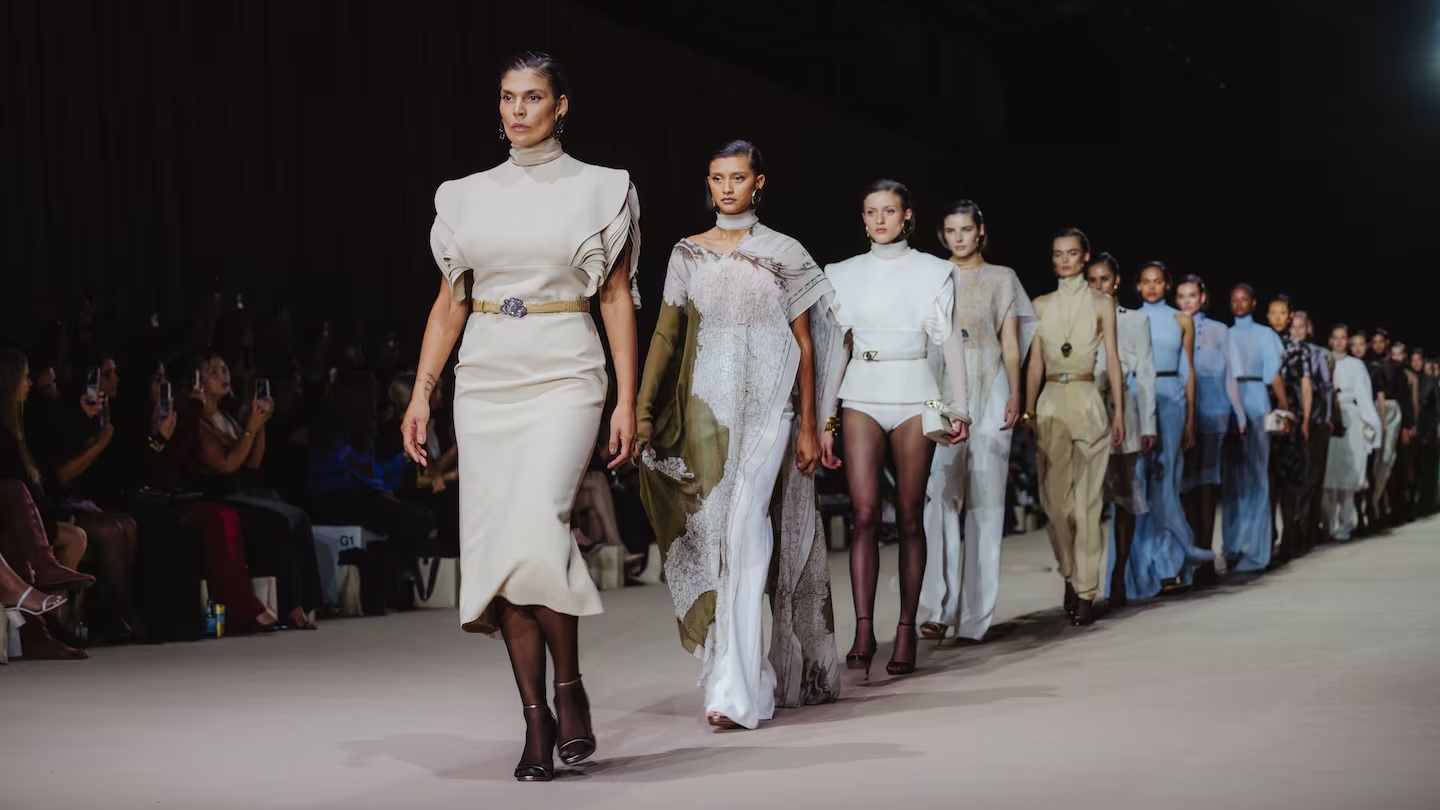

Introduction: Fashion as a Living Expression
Fashion is far more than fabric stitched into shapes. It is a living, breathing form of self-expression—an art that walks, speaks, and evolves. At its core, fashion reflects the zeitgeist of each era, interpreting cultural moods, individual identities, and global revolutions. From haute couture to everyday streetwear, fashion is both mirror and messenger. It captures who we are, where we’ve been, and where we aspire to go. This article explores the multifaceted world of fashion, delving into its evolution, its role in society, and the complex dialogue it weaves between tradition and innovation.
The Evolution of Fashion Through the Ages
Fashion’s journey begins deep in human history, when clothing first served as protection against the elements. Over time, it became a tool of differentiation, signifying rank, role, and belonging. Each historical chapter stitched new meaning into garments.
-
Ancient Civilizations: Egyptian linen tunics, Roman togas, and Chinese silk robes demonstrated early uses of textiles to signify power and cultural pride.
-
The Renaissance Era: Ornate fabrics, corsets, and lace flourished as Europe’s elite sought to display wealth and status.
-
19th Century: The Industrial Revolution introduced mass production, giving rise to ready-to-wear fashion and the democratization of style.
-
20th Century: Every decade redefined fashion—from flapper dresses of the 1920s to the punk rebellion of the 1980s, fashion became a dynamic response to social and political shifts.
Today, fashion is more fluid than ever—freed from rigid rules, it allows individuals to curate their own narratives.
Fashion as Identity and Personal Statement
What we wear is a reflection of who we are. Clothes speak before words do. Whether consciously or not, we choose garments to signal personality, status, mood, or cultural alignment.
-
Professional Fashion: Sharp tailoring and subdued palettes communicate authority and discipline.
-
Streetwear and Casual Fashion: Emphasize comfort, creativity, and cultural belonging, particularly among youth.
-
Cultural and Traditional Dress: Honor heritage, spirituality, and generational identity, connecting wearers to their roots.
-
Gender Fluid Fashion: Challenges binaries and celebrates authenticity, creating space for individual expression without constraint.
Fashion is not about fitting in—it’s about standing out with intention.
The Influence of Designers and Runways
Fashion design is where art meets utility. Iconic designers like Coco Chanel, Alexander McQueen, and Yves Saint Laurent didn’t just design clothing—they shaped the very language of modern elegance and rebellion.
Fashion weeks in Paris, Milan, London, and New York set the global stage. Here, innovation takes form through:
-
Conceptual Designs: Avant-garde pieces that push the boundaries of wearability.
-
Seasonal Collections: Reflecting trends in color, silhouette, and material.
-
Cultural Commentary: Designers often use fashion to critique, question, or celebrate societal issues—from feminism to climate change.
Behind every collection is a designer’s vision—an emotional, intellectual, and visual statement stitched with meaning.
Trends and Timelessness: The Two Poles of Style
The fashion world constantly balances between what’s trending and what’s timeless. While trends ignite excitement and drive conversation, timeless fashion endures—anchored by elegance and versatility.
-
Trending Now:
-
Oversized tailoring
-
Sustainable and recycled materials
-
Y2K-inspired aesthetics
-
Gender-neutral silhouettes
-
-
Timeless Staples:
-
The little black dress
-
A crisp white shirt
-
Well-fitted denim
-
Tailored blazers and trench coats
-
Savvy dressers blend both, using trends to freshen their look while relying on classics to ground it.
The Sustainability Shift: Fashion with a Conscience
The fashion industry—once notorious for its waste and exploitation—is undergoing a crucial transformation. Sustainability is no longer optional; it is an ethical imperative.
Key developments include:
-
Slow Fashion: Encouraging consumers to buy less, but better.
-
Eco-Friendly Fabrics: Organic cotton, hemp, bamboo, and Tencel are replacing synthetic fibers.
-
Circular Fashion Models: Resale platforms, rental services, and repair studios are extending garment lifespans.
-
Ethical Production: Transparency in supply chains and fair labor practices are increasingly demanded by informed consumers.
This shift reflects a deeper awareness: true style should not cost the earth or human dignity.
Digital Fashion: The Rise of Virtual Couture
As technology redefines every industry, fashion is embracing a digital dimension. Virtual clothing, AR fitting rooms, and fashion NFTs are pushing boundaries once thought unimaginable.
-
Virtual Fashion Shows: Brands like Balenciaga and Gucci have experimented with fully digital runway experiences.
-
Fashion in Gaming: Avatars now wear designer brands in platforms like Fortnite and Roblox.
-
3D Design Tools: Allow designers to prototype with zero waste, revolutionizing the creative process.
Digital fashion invites a new question: if style exists in the virtual realm, does it still carry the same emotional and cultural power?
Fashion Icons and Influencers: Setting the Tone
Throughout history, certain figures have embodied and shaped fashion. From Audrey Hepburn’s timeless grace to Rihanna’s fearless experimentation, style icons influence millions. In the age of social media, this influence has only grown.
Modern fashion voices include:
-
Fashion Bloggers and Instagram Stylists: Who bring street-level trends to global audiences.
-
Celebrities: Whose red-carpet appearances set the tone for upcoming seasons.
-
Cultural Figures: Artists, activists, and thought leaders who use fashion to express identity and purpose.
In today’s hyper-connected world, influence is democratized—but authenticity remains the most stylish currency.
The Future of Fashion: Innovation with Integrity
Fashion will continue to evolve—driven by culture, technology, ethics, and imagination. But its essence will remain rooted in human expression. Looking forward, key themes are likely to include:
-
Hyper-Personalization: AI-powered style assistants and tailored fashion experiences.
-
Inclusive Design: Clothing that considers different body types, abilities, and identities.
-
Biotechnology: Innovations like lab-grown leather and self-cleaning fabrics.
-
Fashion Activism: Designers using platforms to advocate for justice, equity, and sustainability.
In this next chapter, fashion will be less about following and more about defining—one stitch at a time.
Conclusion: Fashion as the Art of Living Beautifully
Fashion is more than clothing. It is poetry in motion, a silent language that captures dreams, disrupts norms, and invites self-discovery. Whether crafted in ateliers or sewn in local studios, whether worn on the runway or the sidewalk, fashion expresses our desires, beliefs, and boldest selves.
To dress with intention is to participate in one of the oldest and most personal forms of artistry. It is to say, through cloth and color, who we are and what we stand for. And in that act—graceful, powerful, and ever-evolving—fashion becomes not just what we wear, but how we choose to live.
Comments are closed.